
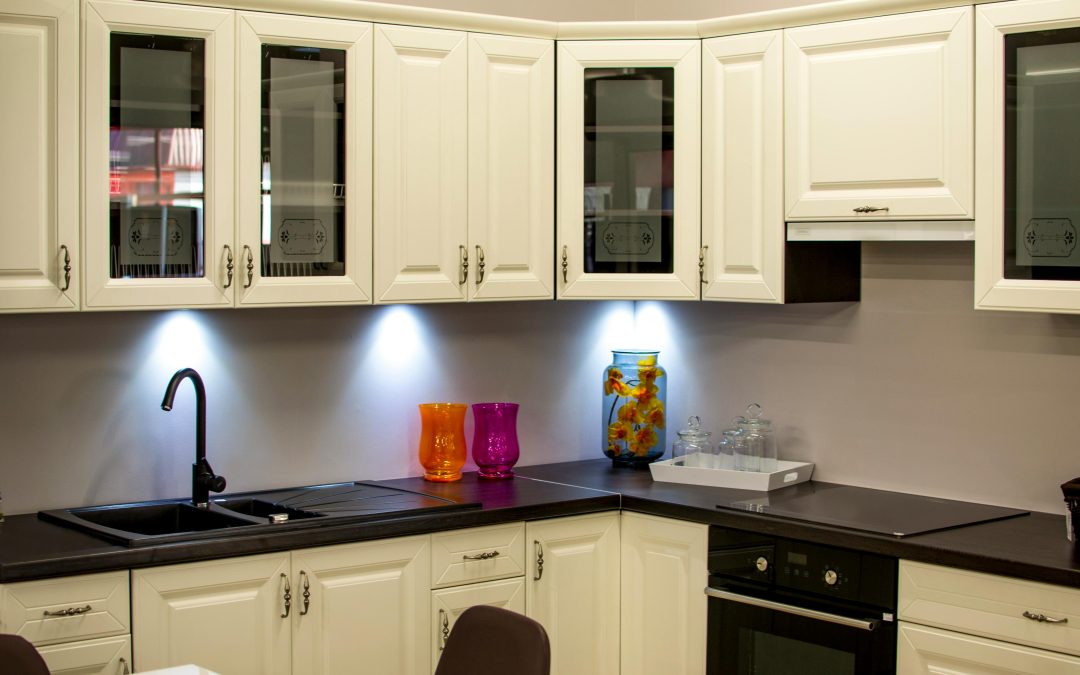
If your kitchen feels outdated, cabinets are usually the first thing you notice. They take up the most visual space, so even small changes can make a big difference. That is why many homeowners ask Is it cheaper to paint or replace kitchen cabinets when planning a kitchen upgrade.
The answer depends on your budget, cabinet condition, and long-term goals. Both options can improve your kitchen, but the cost difference between painting and replacing is significant.
According to the National Kitchen and Bath Association, cabinetry is often the largest expense in a kitchen remodel, sometimes accounting for up to 40 percent of the total project cost.
The Cost of Painting Kitchen Cabinets
Painting cabinets is generally the more affordable option. It focuses on improving appearance rather than rebuilding or replacing structure.
Typical costs include:
- Professional cabinet painting: low to moderate cost
- DIY painting: even lower cost but time-intensive
- Prep work (cleaning, sanding, priming)
- Optional hardware upgrades
Painting works best when cabinets are still in good structural condition.
The Cost of Replacing Kitchen Cabinets
Replacing cabinets is a full renovation approach. It involves removing old cabinets and installing entirely new ones.
Costs usually include:
- New cabinet materials (stock, semi-custom, or custom)
- Removal and disposal of old cabinets
- Installation labor
- Possible layout changes or plumbing adjustments
This option is significantly more expensive but offers a completely new design.
So, Is It Cheaper to Paint or Replace Kitchen Cabinets?
When comparing Is it cheaper to paint or replace kitchen cabinets, painting is almost always the cheaper option.
Here is a simple breakdown:
- Painting: Low cost, surface-level upgrade
- Replacing: High cost, full transformation
Painting can cost a fraction of replacement, making it ideal for homeowners on a budget.
When Painting Cabinets Makes the Most Sense
Painting is the better choice when:
- Cabinets are structurally solid
- You like your current kitchen layout
- You want a quick refresh
- You are preparing a home for resale
- You are working with a limited budget
It is a practical way to modernize without major construction.
When You Should Replace Cabinets Instead
Sometimes replacement is the smarter long-term investment.
Consider replacing when:
- Cabinets are damaged or warped
- Hinges and frames are failing
- You want a new kitchen layout
- Storage needs have changed
- You prefer a completely new style
In these cases, painting would only be a temporary fix.
Durability Difference Between Painting and Replacement
Another important factor in Is it cheaper to paint or replace kitchen cabinets is how long each option lasts.
Painting:
- Lasts around 5 to 10 years with good care
- May chip or wear over time
- Requires gentle maintenance
Replacing:
- Can last 15 to 25 years or more
- Offers stronger structural integrity
- Handles heavy kitchen use better
So while painting is cheaper, replacement is more long-lasting.
Impact on Home Value
Both options can improve home value, but in different ways.
Painting cabinets:
- Improves visual appeal
- Low-cost upgrade for resale
- Works well in mid-range renovations
Replacing cabinets:
- Increases overall kitchen value significantly
- Attracts higher-end buyers
- Enhances functionality and layout
Your choice depends on whether you want short-term improvement or long-term investment.
Labor and Time Differences
Time and labor also play a role in cost comparison.
Painting:
- Takes a few days to a week
- Less disruptive
- Easier project overall
Replacing:
- Can take several weeks
- Requires multiple contractors
- May involve plumbing or electrical adjustments
Painting is clearly faster and simpler.
Final Thoughts
So, Is it cheaper to paint or replace kitchen cabinets? Painting is almost always the more budget-friendly option, especially when your cabinets are still in good shape. It gives your kitchen a fresh, updated look without the high cost of full replacement.
However, if your cabinets are damaged, outdated in layout, or no longer functional, replacement is the better long-term investment.
The right choice comes down to your budget, goals, and how long you plan to stay in your home.