
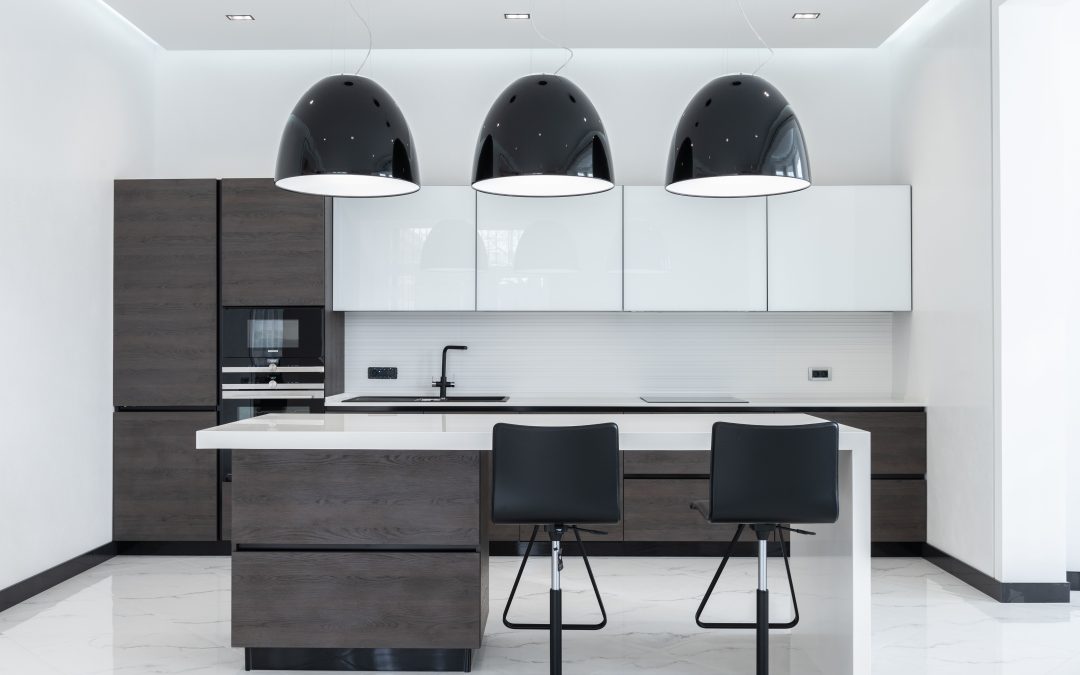
Whether you’re remodeling your kitchen, upgrading a bathroom, or adding built-in storage to another room, custom cabinets can completely transform your space. Unlike stock cabinets, custom designs are built around your needs, your home’s layout, and your personal style.
If you’re wondering how to design custom cabinets, you’re not alone. The process may seem overwhelming at first, but with thoughtful planning, you can create cabinets that are both beautiful and highly practical. From choosing materials to maximizing storage, every decision contributes to a finished product you’ll enjoy for years.
Let’s walk through everything you need to know before designing your dream cabinets.
Start by Understanding Your Storage Needs
Before choosing colors or finishes, think about how you’ll use the cabinets every day.
Ask yourself questions like:
- What items need to be stored?
- Which areas feel cluttered now?
- Do you need more drawers or shelves?
- Are there appliances that should be hidden?
- Would pull-out organizers make life easier?
Custom cabinets should solve problems, not simply fill wall space.
Making a list of your storage priorities helps guide every design decision that follows.
Measure Your Space Carefully
Accurate measurements are the foundation of a successful cabinet design.
Measure:
- Wall lengths
- Ceiling height
- Windows
- Doors
- Electrical outlets
- Plumbing locations
- Existing appliances
Even small measurement errors can affect installation and functionality.
Many homeowners choose to have professionals verify measurements before cabinets are built.
Choose a Layout That Fits Your Lifestyle
One of the most important parts of how to design custom cabinets is selecting the right layout.
Think about how you move through the room each day.
Popular kitchen layouts include:
- L-shaped kitchens
- U-shaped kitchens
- Galley kitchens
- Single-wall kitchens
- Kitchens with islands
The goal is to create a space that feels comfortable and supports your daily routine.
Select Durable Cabinet Materials
Cabinet materials affect both appearance and longevity.
Some common options include:
- Solid wood
- Plywood
- Medium-density fiberboard (MDF)
- Veneer finishes
- Laminate
Each material has advantages depending on your budget, style, and maintenance preferences.
For example, plywood is valued for its strength and stability, while solid wood offers timeless beauty and can often be refinished over time.
Pick a Style That Matches Your Home
Cabinets often become one of the largest visual features in a room.
Popular design styles include:
- Modern
- Traditional
- Transitional
- Farmhouse
- Contemporary
- Shaker
- Minimalist
Rather than following trends alone, choose a style that complements the rest of your home.
Timeless designs often remain attractive longer than highly specialized trends.
Think Beyond Basic Shelves
Custom cabinets give you the opportunity to personalize storage.
Consider adding features like:
- Pull-out pantry shelves
- Soft-close drawers
- Deep storage drawers
- Spice pull-outs
- Hidden trash bins
- Corner organizers
- Built-in charging stations
- Vertical tray storage
These additions improve convenience without taking up extra space.
Choose Colors and Finishes Carefully
Cabinet color has a significant impact on the overall feel of a room.
Light colors can make smaller spaces feel larger, while darker finishes often create warmth and contrast.
Popular choices include:
- White
- Natural wood tones
- Soft gray
- Navy blue
- Sage green
- Black accents
When selecting finishes, think about lighting, flooring, countertops, and wall colors so everything works together.
Don’t Overlook Hardware
Cabinet hardware may seem like a small detail, but it greatly influences the final appearance.
Options include:
- Knobs
- Bar pulls
- Cup pulls
- Edge pulls
- Hidden hardware
Choose hardware that’s comfortable to use and complements your cabinet style.
Simple, high-quality hardware often provides the most timeless look.
Focus on Function as Much as Style
A beautiful cabinet design should also make everyday tasks easier.
According to the National Kitchen and Bath Association (NKBA), thoughtful storage planning is one of the most important elements of a functional kitchen design.
When planning cabinets, consider:
- Frequently used items
- Easy-to-reach storage
- Accessible drawers
- Efficient workflow
- Comfortable cabinet heights
Practical layouts reduce unnecessary movement while making cooking and cleaning more enjoyable.
Plan for Future Needs
Another important part of how to design custom cabinets is thinking long term.
Your storage needs may change over the years.
Consider features that provide flexibility, such as:
- Adjustable shelving
- Extra pantry space
- Multi-purpose storage
- Cabinets designed for future appliances
Planning ahead helps your investment continue meeting your needs well into the future.
Balance Your Budget
Custom cabinets are an investment, but careful planning helps you stay within budget.
Prioritize the features that matter most.
You may choose to invest more in:
- Durable cabinet boxes
- Quality drawer slides
- Soft-close hinges
- Strong shelving
- Premium finishes
Meanwhile, decorative upgrades can often be added later if needed.
Work With Experienced Professionals
Designing custom cabinetry involves more than selecting colors.
Experienced cabinet designers can help with:
- Space planning
- Material recommendations
- Functional storage ideas
- Accurate measurements
- Installation guidance
Their expertise often prevents costly mistakes and ensures your cabinets fit perfectly.
Clear communication throughout the design process also leads to better results.
Final Thoughts
Learning how to design custom cabinets is about finding the right balance between beauty, organization, and everyday functionality. Every decision, from layout and materials to storage accessories and finishes, contributes to a space that reflects your lifestyle.
By carefully planning your storage needs, choosing durable materials, and focusing on practical design, you can create custom cabinets that not only enhance your home’s appearance but also make daily life more organized and enjoyable for years to come.