
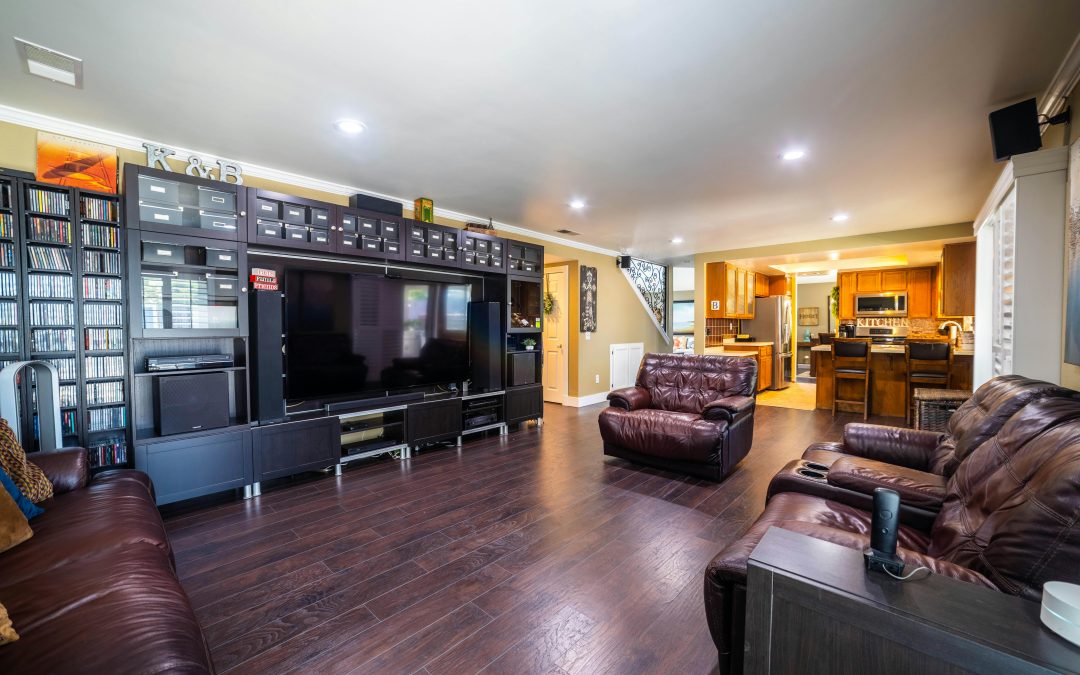
A custom entertainment center can completely change how your living room looks and functions. It organizes your TV setup, hides cables, and creates storage for media devices and décor. But one of the most common design questions homeowners ask is how deep should a custom entertainment center be to balance storage, style, and space efficiency.
Getting the depth right is important. If it is too shallow, your devices will not fit properly. If it is too deep, it can overwhelm the room and waste valuable floor space.
According to general interior design standards used by cabinetmakers and millwork professionals, entertainment center depth is usually based on the size of media equipment, ventilation needs, and room proportions.
Standard Depth for a Custom Entertainment Center
When considering how deep should a custom entertainment center be, most designers follow a standard range.
Typical depths include:
- 16 to 20 inches for compact wall units
- 20 to 24 inches for standard entertainment centers
- 24 to 30 inches for units with large AV equipment or storage drawers
This range ensures enough space for electronics while keeping the unit visually balanced in the room.
Why Depth Matters in Design
Depth affects more than just storage. It influences how the entire room feels.
If the unit is too deep:
- It can make the room feel smaller
- It may block walking space
- It can overpower smaller living rooms
If it is too shallow:
- Devices may not fit properly
- Cable management becomes difficult
- Storage space is limited
That is why answering how deep should a custom entertainment center be depends heavily on your specific setup.
Consider Your TV Size and Mounting Style
Your TV setup plays a big role in determining depth.
For example:
- Wall-mounted TVs allow shallower units (16–20 inches)
- Stand-based TVs may need deeper shelves for stability
- Larger TVs often require wider and slightly deeper cabinetry
The goal is to ensure visual balance and safe placement.
Account for Media Equipment and Devices
Most entertainment centers are not just for TVs. They also store:
- Gaming consoles
- Sound systems or speakers
- Streaming devices
- Cable boxes
- Routers or modems
If you have multiple devices, you may need additional depth for airflow and cable clearance.
Don’t Forget Ventilation Space
Electronic devices generate heat, so ventilation is important when deciding how deep should a custom entertainment center be.
Good design practice includes:
- Leaving at least a few inches behind devices for airflow
- Using open shelving for heat-producing equipment
- Adding ventilation holes in closed cabinets
Proper airflow helps prevent overheating and extends device lifespan.
Room Size and Proportion Matter
The size of your living room should influence the depth of your entertainment center.
In smaller rooms:
- Stick to 16–20 inches depth
- Use wall-mounted designs
- Avoid bulky cabinets
In larger rooms:
- You can go up to 24–30 inches
- Add more storage and decorative features
- Create a full media wall design
Balance is key so the unit fits naturally into the space.
Built-In Storage vs Floating Designs
Different styles also affect ideal depth.
Built-in entertainment centers:
- Usually deeper (20–30 inches)
- Include closed storage and cabinets
- Blend into full wall designs
Floating entertainment centers:
- Shallower (12–18 inches)
- Create a modern, lightweight look
- Best for minimal setups
Your design style will influence the final decision.
Cable Management Considerations
Cable clutter is a common issue in media setups. Depth helps solve this problem.
A properly designed entertainment center should include:
- Hidden cable channels
- Rear space for wiring
- Access points for easy setup changes
- Organized compartments for devices
This is another reason why answering how deep should a custom entertainment center be is not just about furniture size, but functionality.
Final Thoughts
So, how deep should a custom entertainment center be? In most cases, a depth of 16 to 24 inches works well for standard setups, while larger or more complex systems may require up to 30 inches.
The right depth depends on your TV size, equipment, storage needs, and room layout. A well-planned design ensures your entertainment center is both functional and visually balanced, without overwhelming your living space.