
Custom cabinets are one of the best ways to add style, storage, and value to your home. Whether you’re remodeling your kitchen, upgrading a bathroom, or creating built-in storage for another room, the materials you choose will have a major impact on how your cabinets look, perform, and last over time.
If you’re wondering how to choose materials for custom cabinets, you’re not alone. With so many wood species, engineered products, finishes, and hardware options available, making the right decision can feel overwhelming. The good news is that understanding the strengths of each material makes the process much easier.
According to the National Kitchen and Bath Association (NKBA), cabinetry is often one of the largest investments in a kitchen remodel. Choosing durable, high-quality materials can help ensure your cabinets remain functional and attractive for many years.
Let’s explore the most important factors to consider when selecting materials for custom cabinets.
Start With Your Lifestyle
Before looking at wood samples or finishes, think about how your cabinets will be used every day.
Ask yourself:
- Do you have young children?
- Are pets frequently in the home?
- Is your kitchen used for daily cooking?
- Do you entertain often?
- How much maintenance are you comfortable with?
A busy household may benefit from highly durable materials that resist scratches and everyday wear.
Choosing materials that match your lifestyle is the first step in learning how to choose materials for custom cabinets.
Understand the Difference Between Solid Wood and Engineered Wood
Cabinet construction often includes both solid wood and engineered wood products.
Solid wood is valued for its natural beauty and strength, while engineered materials offer excellent stability and consistency.
Common engineered materials include:
- Plywood
- Medium-density fiberboard (MDF)
- Particleboard
Each material has advantages depending on the cabinet’s purpose, location, and budget.
Consider Popular Hardwood Options
Solid hardwood remains a favorite choice for custom cabinetry because of its durability and timeless appearance.
Popular hardwood species include:
- Maple
- Oak
- Cherry
- Walnut
- Hickory
Each wood has its own grain pattern, color, and level of hardness.
For example, maple offers a smooth, consistent appearance, while oak has a more noticeable grain that adds character.
Know When Plywood Is a Smart Choice
Many cabinet professionals recommend plywood for cabinet boxes because it offers excellent strength while resisting warping.
Benefits of plywood include:
- Strong construction
- Lightweight design
- Good moisture resistance
- Long-term durability
High-quality plywood is commonly used in premium cabinet construction due to its dependable performance.
MDF Works Well for Painted Cabinets
Medium-density fiberboard, commonly called MDF, is another popular cabinet material.
It is often selected for painted cabinet doors because its smooth surface creates an even finish without visible wood grain.
Advantages include:
- Smooth paint finish
- Consistent appearance
- Good dimensional stability
- Resistant to splitting
While MDF performs well in many applications, it should be protected from excessive moisture.
Think About Cabinet Door Styles
Different materials complement different cabinet designs.
Popular door styles include:
- Shaker
- Flat panel
- Raised panel
- Slab
- Glass-front cabinets
Your chosen material should support both your desired appearance and the room’s overall design style.
Choose Durable Finishes
The finish protects your cabinets while enhancing their appearance.
Common options include:
- Painted finishes
- Stained wood
- Clear protective coatings
- Matte finishes
- Satin finishes
Quality finishes help resist moisture, stains, and everyday wear while making cabinets easier to clean.
Pay Attention to Moisture Resistance
Kitchens, bathrooms, and laundry rooms experience changing humidity levels.
When selecting materials, consider how they perform around moisture.
Cabinets in these areas benefit from:
- Moisture-resistant finishes
- Proper sealing
- High-quality construction
- Good ventilation
Protecting cabinets from excessive moisture helps extend their lifespan.
Don’t Overlook Cabinet Hardware
Hardware affects both appearance and functionality.
Consider choosing quality:
- Hinges
- Drawer slides
- Pulls
- Knobs
- Soft-close mechanisms
According to many cabinet manufacturers, soft-close hinges and drawer slides reduce wear while improving the user experience.
Well-built hardware can make cabinets feel more durable every time they’re used.
Balance Style With Durability
It’s easy to focus only on appearance, but durability matters just as much.
Ask yourself:
- Will this material handle daily use?
- Is it easy to clean?
- Will the finish age well?
- Does it fit my long-term needs?
The goal is finding materials that look beautiful while standing up to everyday life.
This balance is an important part of how to choose materials for custom cabinets.
Consider Maintenance Requirements
Different cabinet materials require different levels of care.
For example:
- Painted cabinets may occasionally need touch-ups.
- Natural wood benefits from gentle cleaning.
- High-gloss finishes may show fingerprints more easily.
- Textured wood can help disguise minor scratches.
Choose materials that match the amount of maintenance you’re comfortable performing.
Think About Long-Term Value
Custom cabinets are designed to last for many years.
Although premium materials may cost more initially, they often provide greater durability and long-term satisfaction.
Instead of focusing only on the upfront price, consider:
- Expected lifespan
- Maintenance needs
- Repair costs
- Overall quality
Investing in durable materials often pays off over time.
Match Materials to Your Home’s Style
Cabinets should complement the overall character of your home.
For example:
Traditional homes often pair well with rich wood species and detailed door styles.
Modern homes may feature sleek slab doors with painted finishes.
Farmhouse kitchens frequently use painted shaker cabinets.
Contemporary designs often combine clean lines with natural wood accents.
Selecting materials that fit your home’s style creates a more cohesive appearance.
Work With an Experienced Cabinet Professional
A skilled cabinet designer or custom cabinet maker can help explain the advantages of different materials.
They can recommend options based on:
- Budget
- Room layout
- Design preferences
- Moisture conditions
- Daily use
Professional guidance helps ensure your cabinets perform well while achieving the look you want.
Don’t Rush the Decision
Cabinets are a long-term investment.
Take time to:
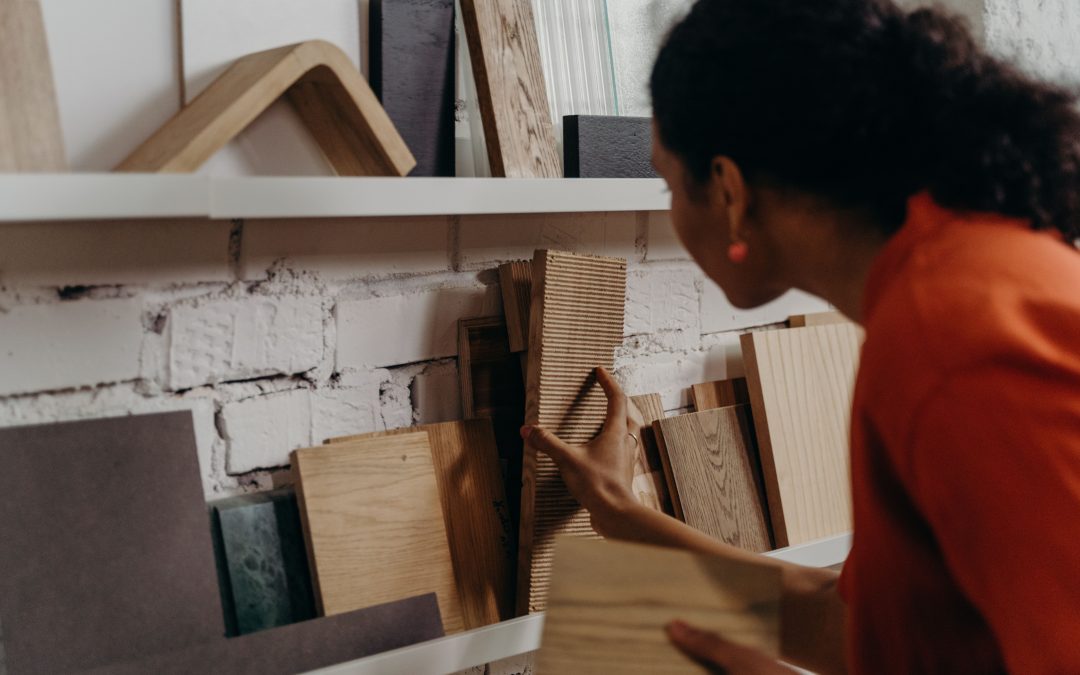
- Compare material samples.
- View finished projects.
- Ask questions.
- Understand warranties.
- Discuss maintenance expectations.
The more informed your decision, the happier you’ll likely be with the finished result.
Learning how to choose materials for custom cabinets becomes much easier when you carefully compare your options rather than making quick decisions.
Conclusion
Understanding how to choose materials for custom cabinets allows you to create cabinetry that combines beauty, durability, and functionality. By considering your lifestyle, selecting quality materials, choosing durable finishes, and investing in reliable hardware, you can enjoy cabinets that continue to perform well for many years.
Whether you’re designing a dream kitchen, updating a bathroom, or adding custom storage throughout your home, thoughtful material selection is the foundation of a successful project. Taking the time to evaluate your options today will help ensure your custom cabinets remain both practical and beautiful well into the future.